
Groundwater Exploration, Monitoring & Recharging
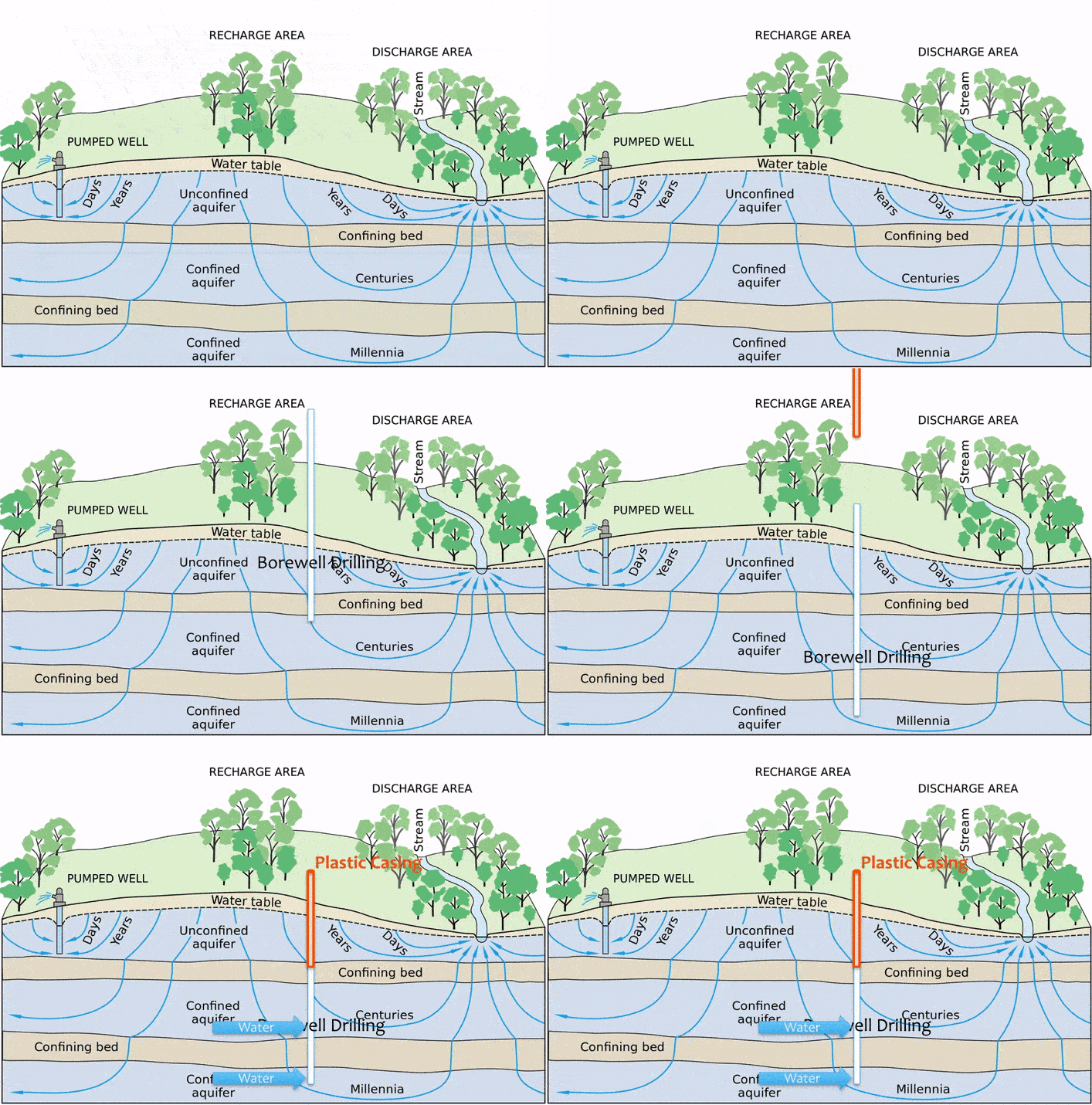
Groundwater Exploration
Electrical resistivity method (particularly vertical electrical method) of geophysical investigation has been favourably applied in areas of groundwater potential studies. The application of resistivity method in routine groundwater survey stems from the fact that electrical conductivity in shallow subsurface is controlled, to some extent, by the fluid present. The properties that affect the resistivity of rocks and sediments include porosity, water content, composition (clay mineral and metal content), salinity of pore fluid and grain size distribution.
In region of interest, measurements of the resistivity of the ground are usually carried out by transmitting controlled current through two outer current electrodes and picking up the developed electrical potential within two inners more closely spaced potential electrodes. The choice of electrode configuration to be employed in the field is controlled by the target of the investigation; whether the interest of the survey is in vertical penetrating investigation or in lateral investigation of anomalous resistivity contrast. Apart from this we also use the electromagnetic properties of the subsurface & use sattelite remote sensing data to asses groundwater conditions depending from site to site.
Groundwater Monitoring
A piezometer is suspended inside any observation well with a perforated pipe segment at the bottom to monitor the groundwater level. Water is forced into and up the standpipe by the groundwater's pressure until the water level inside the standpipe equals the groundwater level outside. The standpipe's internal piezometer provides data on the water level by measuring the head of water over it.
Groundwater Recharge
Utilizing collected surface or rooftop water as well as areas where runoff water begins to filter through Vee Wire Screen Filters are the major goals of borewell recharge. After that, the water percolates into the borewell after passing through Vee Wire Screen Filters. When the borewell is completely dry or only provides a little amount of water, a direct replenishment is the best option. Because most of Chennai is dry due to the hot weather, this makes it ideal for digging a borewell. In some cases, a direct recharge mechanism can be installed even with a functional borewell. By using more surface water, it stops water from being wasted. Direct borewell recharging keeps aquifers from becoming clogged with hazardous pollutants or receiving unfiltered surface water, which could contaminate groundwater.
Get a Quote!